

Did You Know?
When the mechanics of targeted ads were explained, 74% of UK respondents to a IAB and Olswang combined study said they were comfortable with the concept.
We’ve all experienced the uneasy feeling you get when it feels like your phone is listening to you. You and a friend have a conversation about trainers, even mentioning brands that you are unfamiliar with, and later that day, you see an ad for that very same trainer brand in your social media feed.
The technology in your phone must have been eavesdropping on your conversation, right? Wrong. But what is actually happening is much more interesting and can be very powerful for businesses that know how to use it effectively.
Busting The Myth

In reality, what you’re experiencing is a mixture of expertly targeted digital marketing and the Baader-Meinhof phenomenon. It’s not quite a coincidence, but neither is it malicious tech giants listening in on your day-to-day life, either.
When you think about it, there are several reasons why your phone cannot just casually record your conversation. Even if we overlook the numerous privacy regulations that are in place to prevent this kind of thing (GDPR, Apple’s App Tracking Transparency, etc.), technology simply hasn’t reached the point where this is possible.
The battery usage, bandwidth, and data needed to carry out continuous audio surveillance is something that even the most powerful phones couldn’t handle. For example, the average phone would use around 85GB of data per month, doing nothing other than recording and uploading, in this scenario.
Plus, if you regularly use any of the digital assistants currently available, you’ll know that Siri, Alexa and Google Assistant aren’t exactly great at deciphering what you’re trying to ask for. So, picking out pertinent information from a constant stream of audio without so much as a ‘wake word’ is unfeasible.
How It Really Works
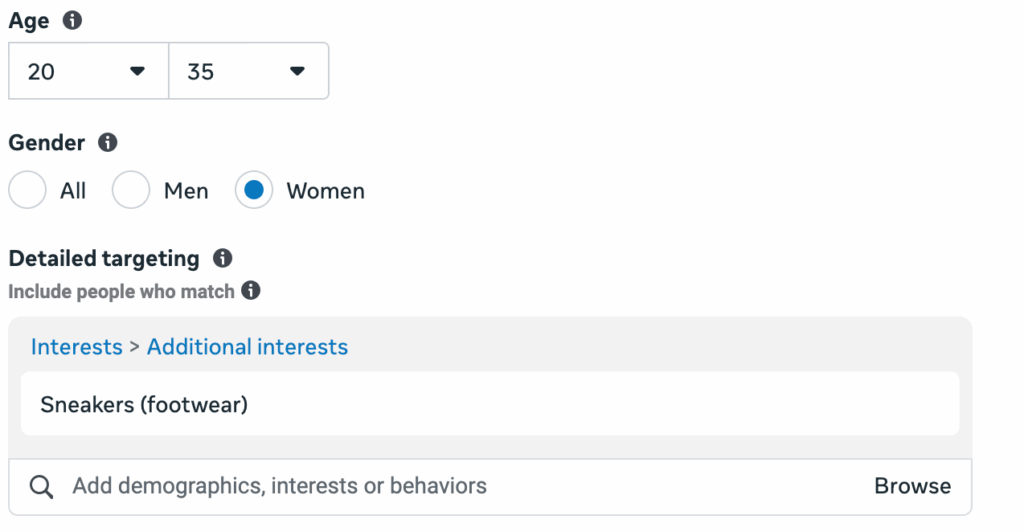
So, what’s actually happening when your phone seemingly reads your mind and serves up an ad for something you were just talking about? Well, several things could be occurring here, but mostly it’s savvy marketing from the brands in question…
Online Behaviour Capture
These days, we’re all much more aware of cookies than we used to be, but how many of us actually know how they work and what they’re for? Whenever you visit a website, your browser captures key pieces of information about your behaviour. The type of website, the kinds of things you interact with most, even the level of spending you’re able to make, it’s all taken into account – provided, of course, you allow the relevant cookies. Although even if you only allow the functional flavour, the basic information about your online behaviour will be stored and used to populate your digital persona.
Then, when advertisers want to target people who are interested in certain types of products, have bought specific things in the past or typically spend a certain amount of money online, you will see their ads appear on your device if you fall into the chosen categories.
Data Sharing
Whilst the behavioural tracking mentioned above often works on a personal level, advertising platforms can also crowdsource anonymous data from thousands of internet users to target certain people who fall into the right categories.
Companies like Meta, Google and TikTok have access to data shared by third parties across the web, and they use it to help trainer companies, for example, target individuals who enjoy going to the gym, eating protein bars and researching running plans.
Lookalike Modeling
Lookalike modelling allows advertisers to take their targeting a step further than simply using things they know about someone. It uses data modelling to predict what other things a person might be interested in, based on the interests of other people who have a similar digital profile.
So if, in general, people who like looking for new trainers also like shopping for running vests, the social media algorithms will use this information to target you with ads for running vests, even if you have never shown any direct interest in them.
Proximity Tracking
As data tracking continues to evolve, new approaches become possible that weren’t available before. And one of these new possibilities is a big reason why it sometimes feels like our phones are spying on us. Not only can advertising platforms use the data from our own online behaviour to influence the adverts that we see, but they can also use the signals provided by the people we regularly interact with in the real world.
So, if your phone spends a lot of time in the office with the same people, or at home with certain family members, data modelling can be used to extend the interests of those people into your own online profile. That’s why, if a friend sees an ad from a company, there’s a chance you will see the exact same ad because it’s assumed you like similar things. And if you’ve had a conversation about what they saw, it can feel really spooky when you inevitably come across the same piece of advertising later that night.
Baader-Meinhof Phenomenon

The final reason is a minor thing, but it acts as the cherry on top of the cake in the scenario where we believe our devices are listening in. A natural occurrence rather than something from the world of data tracking, the Baader-Meinhof phenomenon describes a cognitive bias where you become hyperaware of something because you were only recently introduced to it.
This is simply the brain actively looking for more examples to confirm its bias, but it makes it even more obvious when you see an advert, having just spoken to someone about the product in question.
Why This Is A Good Thing For Businesses
Now that we know the real reason why it feels like our devices are monitoring what we say, it’s easy to see why businesses want to take advantage of the targeting options that are available on platforms such as Meta and Google. It’s been proven that consumers are much more likely to buy a product if it is targeted to them based on their online behaviour, with some studies reporting that as many as 91% of consumers are more encouraged to shop when the advert is personalised to them.
People want to feel like the brands they love know them, and advertising in this way makes this a reality. Small businesses can avoid wasted spend by only targeting their ads to the people most likely to convert. Plus, platforms such as Google Ads and TikTok Shop make it possible for all advertisers to take this approach, no matter their size or expertise.
At Reach Digital, we use this same data-driven targeting to help brands reach the right people at the right time, without the creep factor. If you want to make your ads as smart as they feel, enquire about our Google Ads Management of Paid Social Marketing today. We can help you reach the right audience, at the right time, with the right message.

About the author
Chris Mayhew has great experience in a wide range of digital marketing practices, focussing predominantly on paid media. By implementing iterative A/B tests, he optimises Google and Meta Ad campaigns to maximise results.
Did you find this article useful? Share it with a friend or colleague